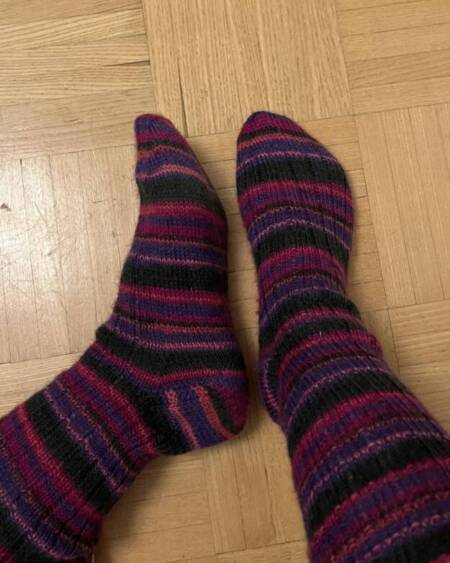
Buy worn wool socks: Cuddly, warm and authentic
Calcetines de lana stand for coziness – and that is exactly what makes them so special as worn articles. Unlike synthetic materials, wool naturally absorbs odors and releases them only slowly. If you want to buy worn wool socks, SecretUndies offers a selection of different types of wool, sizes and wearing variants. This guide will show you what wool really matters.
What distinguishes wool socks from other materials
Wool is a natural material with special properties that directly affect the wearing experience and the condition after wearing. Unlike cotton or synthetics, wool actively regulates moisture – it absorbs up to 30% of its own weight in moisture without feeling wet. This natural moisture regulation ensures that worn wool socks retain their authentic state for a particularly long time.
For buyers, this means that wool socks deliver a more intense and long-lasting result than comparable products made of other materials. The fibers are naturally made in such a way that odors remain tightly enclosed, even if the socks are exposed after wearing them for a few hours before they are packed.
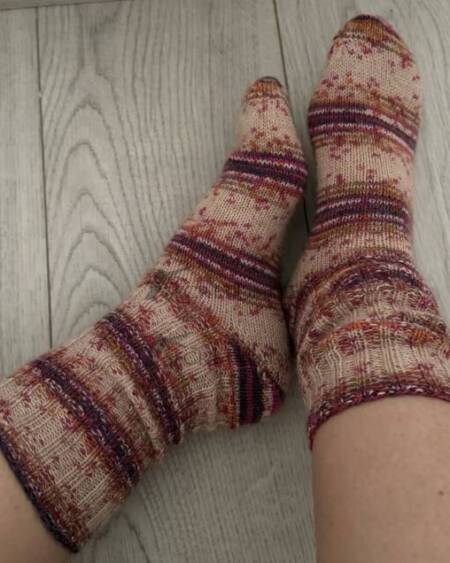
Saleswomen appreciate wool socks in turn because of their versatility. Whether thick cuddle socks for the winter evening or thin merino wool models for everyday use – the range of wool sock variants enables a targeted differentiation of offers.
Wool combines three properties that are particularly appreciated in worn textiles: it regulates moisture in a natural way, preserves smells intense and sustainable, and it still feels high-quality even after wearing. Cuddly socks made of thick wool often achieve higher prices than thin cotton models, because the wearing experience and the condition after wear are much more intense.
Wool species in comparison: merino, shorn wool, alpaca and mixed fabrics
Not all wool is the same. Depending on the origin and processing, the fibers differ considerably – and thus also the properties of worn wool socks.
Merino wool
Merino is considered the finest type of wool. The fibers are extremely thin, soft and hardly scratch on the skin. Merino wool socks are excellent as everyday socks because they have a temperature-regulating effect and have anti-odour properties. For worn articles, this means: Merino wool preserves natural smells subtly, but sustainably. Ideal for buyers who prefer a more subtle outcome.
Shorn wool
Shorn wool comes directly from live sheep and undergoes fewer processing steps than other wool species. As a result, the natural fiber properties are more strongly preserved. Schurwoll socks are slightly coarser than Merino, but they are particularly robust and durable. The odor preservation is more intense with shorn wool than with Merino – a good choice for those looking for a stronger result.
Alpaca wool
Alpaca wool is lighter than sheep wool, but it is also warm and particularly soft. Socks made of alpaca wool are among the premium variants and are therefore less available. The special advantage: alpaca fibers are naturally odor-neutral, but reliably absorb body odors when in close contact with the skin. A niche product for connoisseurs.
Mixed fabrics
Many wool socks are not made of pure wool, but of mixtures – about 60% wool with 30% polyamide and 10% elastane. The synthetic component increases the durability and fit. For worn articles: the higher the proportion of wool, the more intense the odor retention. In the product description, pay attention to the exact material composition.

Seasonal Demand: When to Find the Best Choice
The demand for worn wool socks follows a clear seasonal pattern. This knowledge helps you to buy at the right time – or to strategically plan your offer as a seller.
Spring (March – May)
Demand drops slightly as thicker socks are worn less often. In this phase you will find more often offers at moderate prices. A good time for first-time buyers who want to try different types of wool.
Summer (June – August)
Wool socks are worn less in summer, so the offer is smaller. However, some saleswomen use this time to build up stock. If you are looking for rarities or special wool species, you can find something here.
Autumn (September – November)
From September, demand will increase noticeably. Temperatures drop, cuddle socks and thick wool stockings are used again. The variety of offers is growing, and saleswomen are expanding their collection. An ideal period for purchase.
Winter (December – February)
The absolute high season for worn wool socks. The demand reaches its peak, at the same time the choice is the largest. Thicker models made of pure wool or alpaca are particularly popular. Who orders early, secures the best choice.
Preservation and care: condition obtained after wearing
During storage, wool behaves differently than synthetics or cotton. Anyone who wants to preserve the authentic condition of worn wool socks should observe some basic rules.
After carrying, the following applies: Package in airtight fashion. Resealable bags or vacuum packaging are best. Wool should not be folded together, but loosely folded so that the fibers do not break. Unlike smooth materials, wool can become felted when the fabric is pressed under pressure.
Another point concerns humidity: wet wool socks – about after a rainy day – should be pre-dried briefly in the air before packaging. Completely soaked wool in an airtight bag can promote mold formation. Slightly damp socks, on the other hand, are unproblematic and even preserve the condition particularly well.
Professional saleswomen often document the packaging process with photos. Such evidence builds trust and shows the buyer that the item has been handled carefully. You will learn more about trust in the Experience reports of other buyers.
- Start with mixed fabric: Socks with 50-70% wool content offer good value for money and are less sensitive than pure wool models.
- Pay attention to size specifications: Wool socks are different depending on the manufacturer. Ask in the chat if you are unsure.
- Read reviews: Other buyers often describe the condition and quality upon receipt. These tips will help you choose.
- Use seasonal offers: In spring and summer you can often get cheaper prices than in the winter high season.
- Address individual wishes: Many saleswomen offer to wear certain wool socks on request – use the Ordering process for individual agreements.
Frequent questions about worn wool socks
Do odors really last longer on wool socks than on cotton?
Yes, wool fibres absorb odors more intensively and release them more slowly than cotton fibres. This is due to the natural fiber structure of the wool, which permanently traps moisture and associated odors. With airtight packaging immediately after wearing, the condition remains stable for weeks.
Are worn wool socks more expensive than cotton socks?
Usually yes. High-quality wool socks – especially made of merino wool or alpaca – already have a higher price as new products. In addition, there are the special material properties, which preserve the condition after wearing particularly well. Mixed fabric models are often priced closer to pure cotton variants.
What do I have to pay particular attention to when sending wool socks?
Wool is more sensitive than synthetic when it comes to moisture and pressure. Make sure the saleswoman packed the socks airtight and slightly pre-dried them before packing if they were wet. An upholstered shipping envelope additionally protects against mechanical effects during transport.
As a buyer, can I request a certain type of wool or sock thickness?
Of course. Via the integrated chat at SecretUndies you can discuss individual wishes directly. Whether thick cuddle socks made of wool for cold winter evenings or fine merino models for everyday life – many saleswomen like to respond to specific ideas. Use them Protected lines of communication for such arrangements.
How do I properly store worn woolen socks after receiving them?
It is best to leave the socks in the original packaging until you want to use them. Store them cool and dry, away from direct sunlight. If you open the packaging and do not want to use the contents immediately, close the bag as airtight as possible. In this way, the condition is maintained for weeks.
Ready to get started?
Browse worn wool socks from verified saleswomen – or start your own shop.