Buy worn shoes: styles, quality and safe handling
Whether sneakers with everyday traces, elegant pumps after a long evening or boots that were really worn – worn shoes are their own segment with clear quality characteristics. This guide will show you what to look for when choosing, which types of shoes are in particular demand, and how the entire buying process is safe and discreet. Whether you are looking for worn shoes for the first time or already have experience: Here you will find all relevant information for an informed decision.
You will learn which materials better preserve the natural smell, how the individual shoe categories differ and which price ranges are realistic. We also show you how shipping and discretion are guaranteed – from airtight packaging to neutral delivery.
Why worn shoes are a special segment
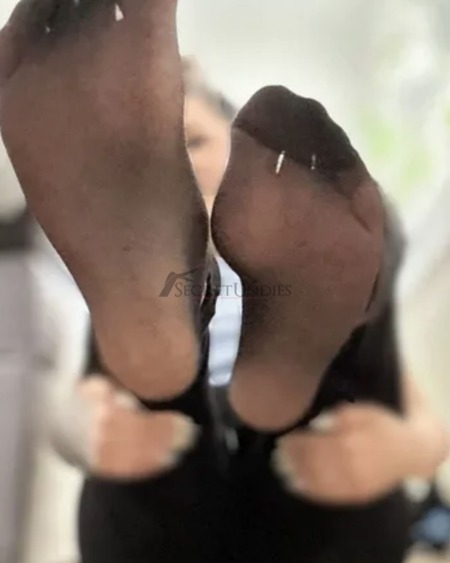
Compared to worn underwear or socks, shoes differ in one essential point: they are more robust, durable and tell their own story through wear traces. This is exactly what makes them interesting for many buyers. The traces of wear – slight impressions in the insole, wear marks on the upper, the individual smell – give each couple a unique character.
Worn sneakers are particularly popular. Sports models made of textile fabric or mesh absorb the natural odor of the foot more than smooth leather shoes. But pumps, sandals and boots also have their target group. Demand varies depending on the season, style and wear – and that’s why it’s worth knowing the differences before deciding on a pair.
Another aspect that sets worn shoes apart from other items: the variety of sizes and different fits create a wide range of options. From size 36 to 42 you will find models in narrow, normal and wide fits. This variety makes it easy to find exactly the pair that suits your needs – provided you know what to look for.
What You Should Consider When Choosing
- Shoe type and style: Sneakers, pumps, boots or sandals – each type has different characteristics in terms of wear and smell development
- Upper shoe material: Textile and canvas absorb smells more intensively than smooth leather or artificial leather
- Insole condition: Clear footprints and slight discoloration indicate real wear
- Duration and circumstances of wear: Shoes that have been worn regularly for weeks are very different from couples with a few hours of use.
- Documentation: Good offers include photos of the sole, the inside and the overall condition
- Size and fit: Pay attention to exact sizes – Shoe sizes vary depending on the manufacturer
Shoe types and their special characteristics
Not every shoe is equally suitable as a worn article. The differences lie in the material, the construction and how strongly a model assumes the individual footprint. Here is a closer look at the most common types.
Sneakers and sports footwear
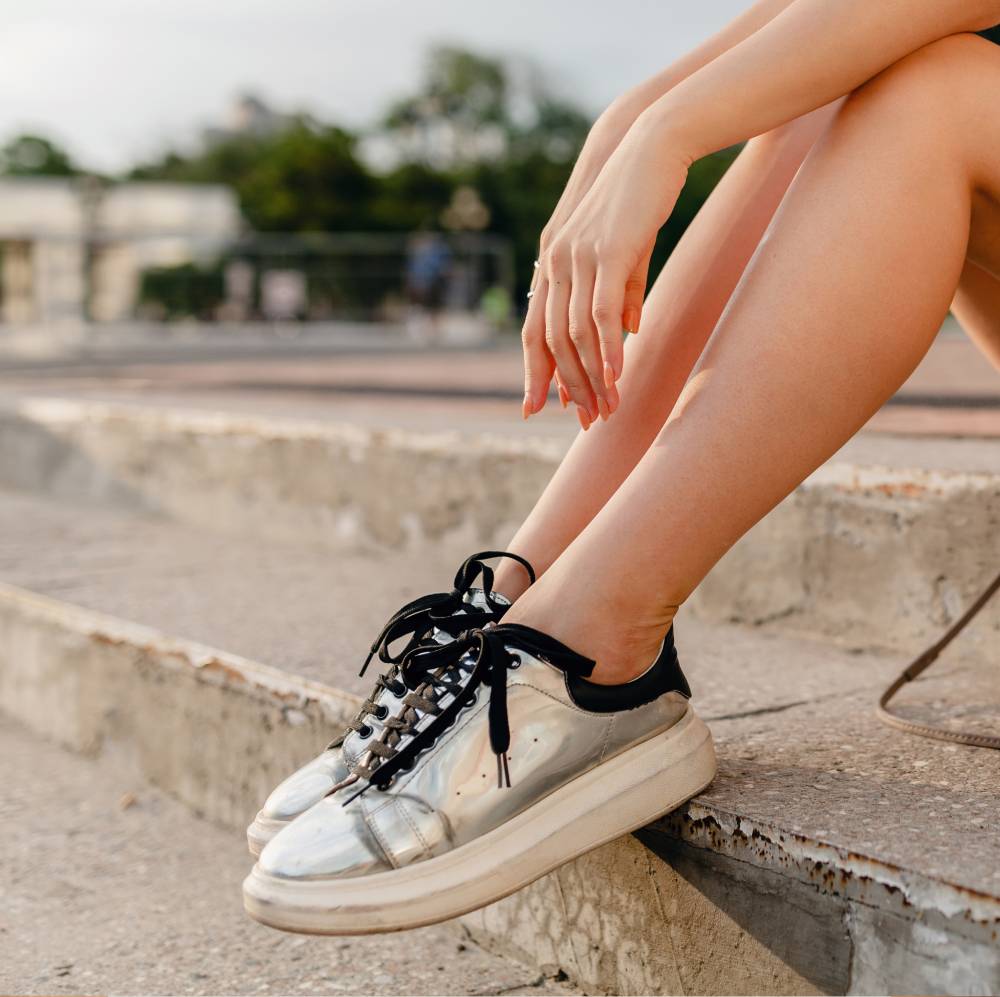
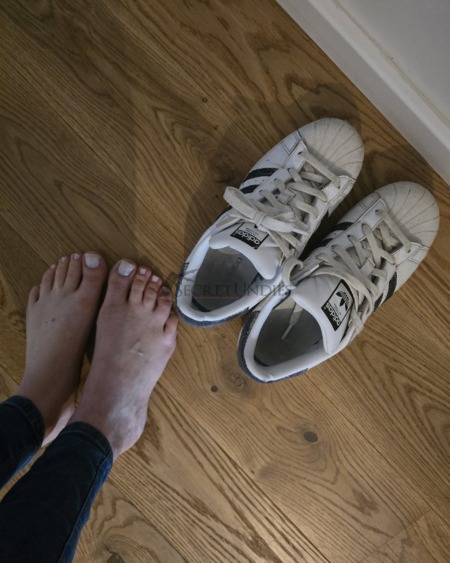
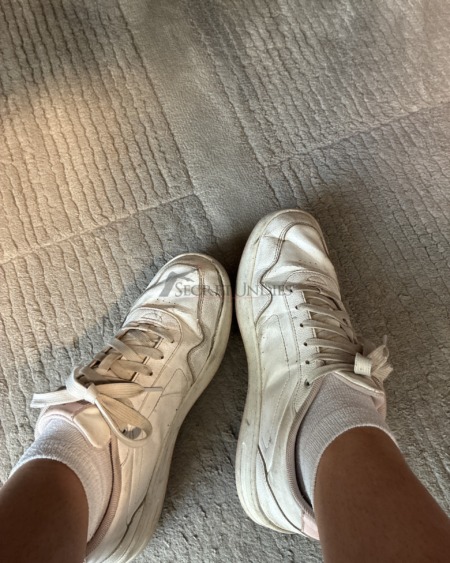
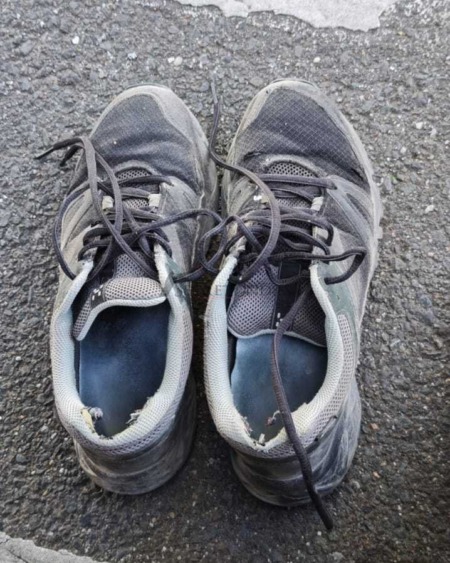
Sneakers dominate the market for worn shoes. Materials such as mesh, canvas or textile mixtures are porous and absorb moisture and natural odors particularly well. Models with memory foam soles often show clear footprints that underline the wearing character. Whether running shoes after training or everyday sneakers after weeks of use – the bandwidth is wide.
Pumps and high heels
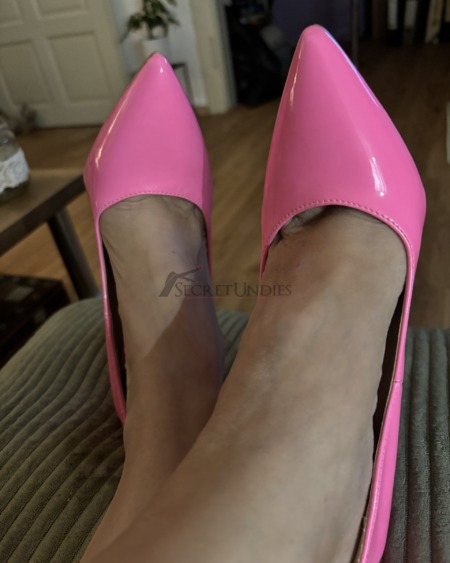
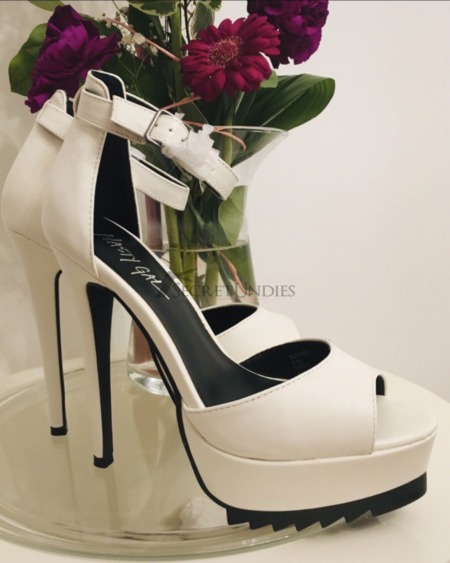
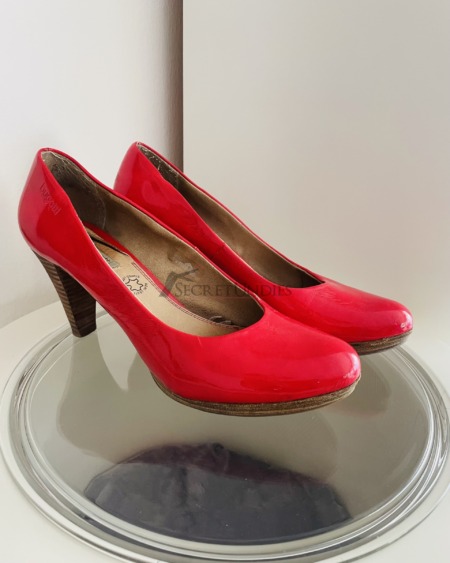
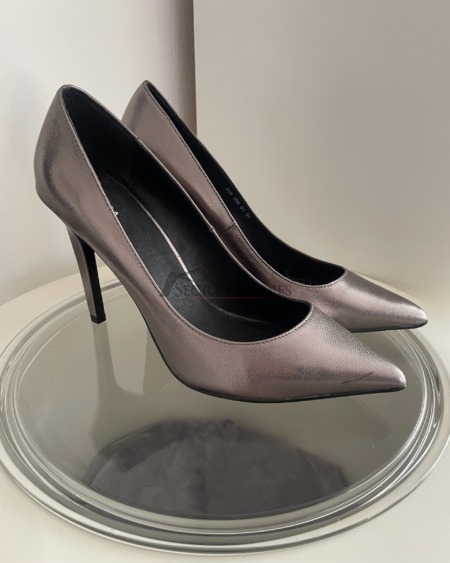
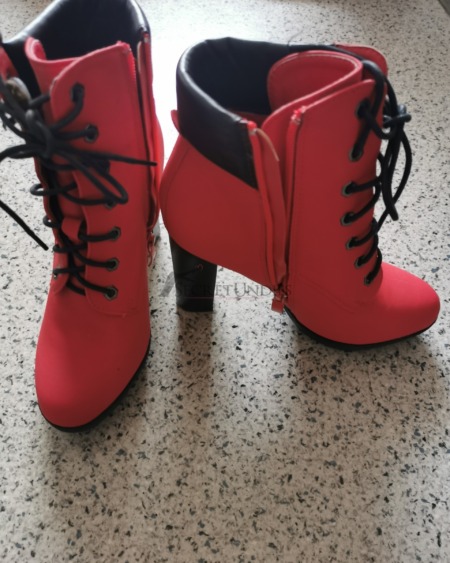
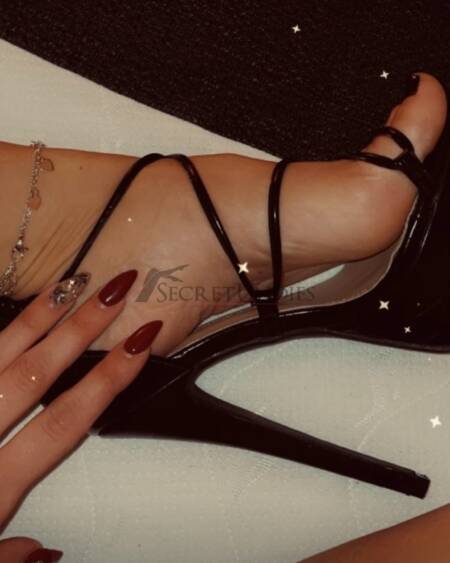
Elegant shoes appeal to another target group. Pumps made of leather or patent leather develop their own patina over the wearing period. The insole takes on the footprint, and with open models, slight discolorations can become visible. Important for buyers: The sales type, the material quality and the condition of care significantly influence the value.
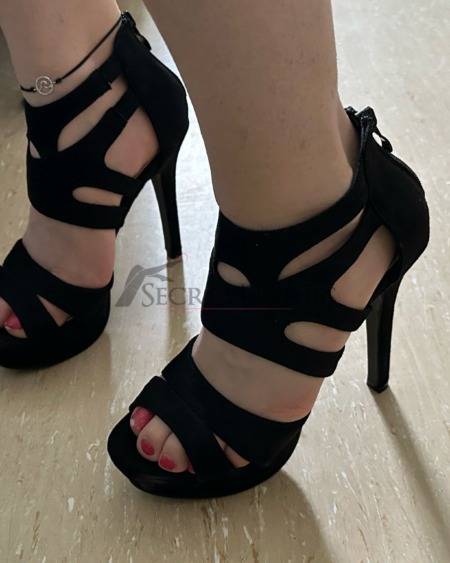
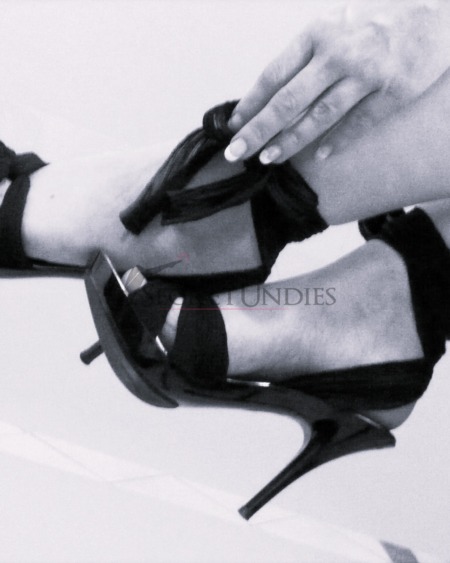
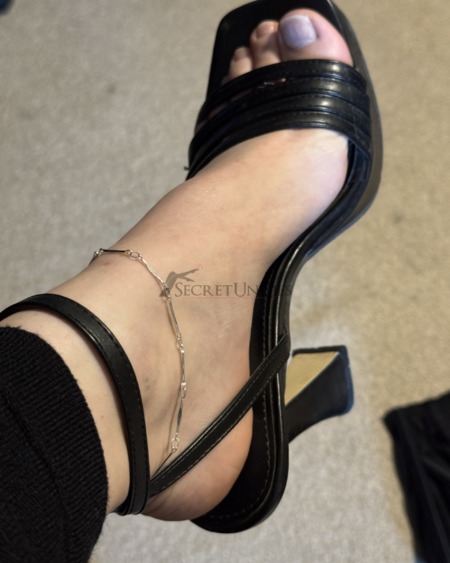
Peeptoes and slingbacks have an additional appeal: the open toe area or the exposed heel area makes carry marks visible in places that remain hidden in closed models. Satin or suede pumps are particularly sensitive to moisture and show clear signs of wear after repeated wear – a quality feature that many buyers are specifically looking for.
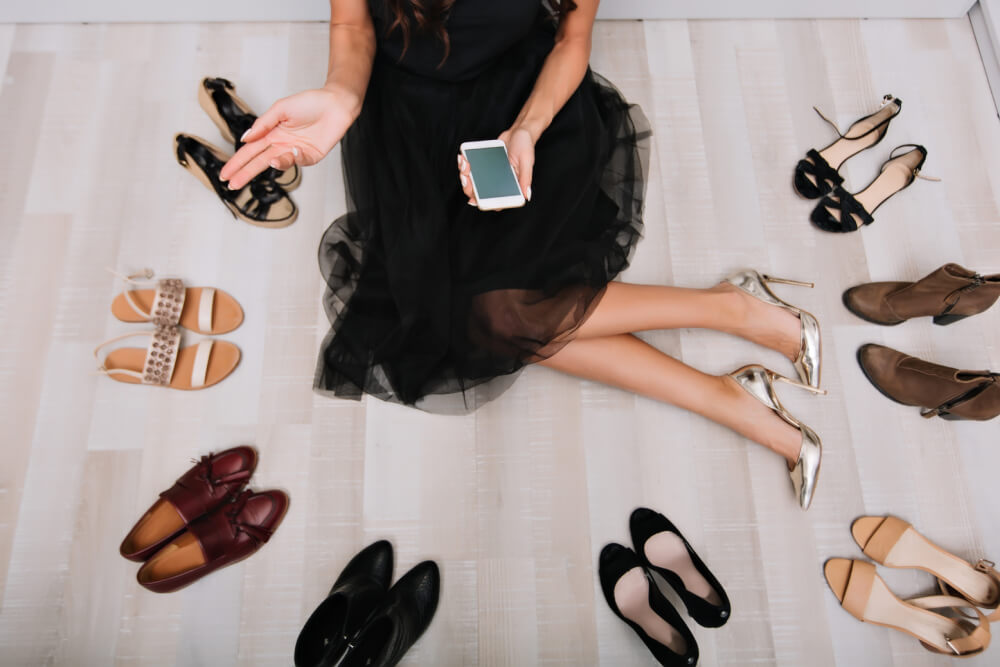
Boots and boats
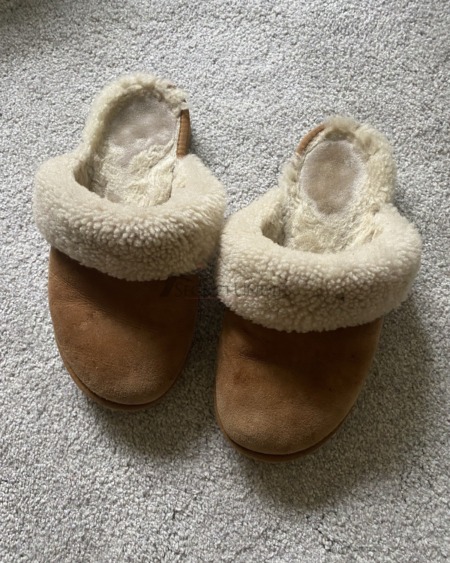
Boots have a clear advantage over other types of shoes: they surround the foot over a large area and thus store more odor. Leather boots develop a striking patina over time, while rubber or synthetic boots tend to hold the moisture. The quality here depends greatly on the starting material and the wearing intensity. Winter boots worn for several hours a day differ noticeably from models that were only used occasionally.
Sandals and flip-flops
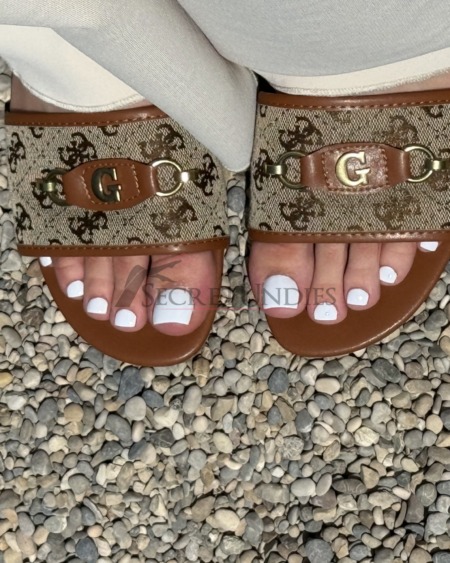
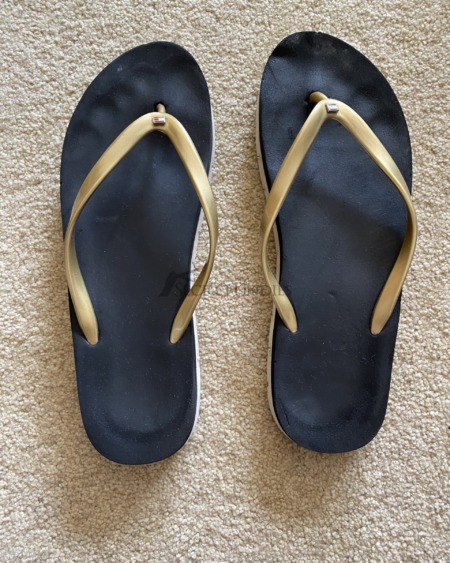
Open shoes such as sandals and flip-flops offer a special aesthetic: footprints on the footbed are often particularly visible here. Birkenstock models with cork footbed over time form an individual shape that accurately depicts the wearer’s foot. In the case of flip-flops made of rubber or EVA foam, the wear marks show faster, but last less long.
Ballerinas and Flats
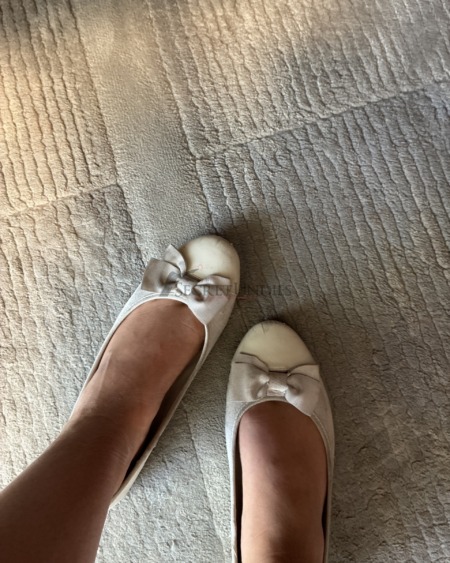
Ballerinas are often worn barefoot – a factor that makes them particularly attractive to buyers. The thin material and tight fit ensure that footprints and smells become intense quickly. Fabric ballerinas made of canvas or cotton mixtures absorb natural odors more strongly than models made of smooth artificial leather.
Work footwear
A niche area that is getting increasing attention: professional shoes such as nurse clogs, kitchen shoes or simple work shoes. These models are often worn over long shifts of eight to twelve hours, often in warm or physically demanding environments. The result is a particularly intensive use, which is reflected in clear traces and strong odor. For buyers who value intense wear, professional shoes are an interesting alternative to classic sneakers.
Shoe type overview: features at a glance
| Footwear type | Typical materials | Odor intensity | Visible tracks | Popularity |
|---|---|---|---|---|
| Sneakers | Mesh, Canvas, Textile | High | Footprint, sole abrasion | ★★★★★ |
| Pumps / High Heels | Leather, patent leather, satin | Resources | Insole heel abrasion | ★★★★☆ |
| Boots/boots | Leather, synthetic, rubber | High | Patina, creases, footbed | ★★★★☆ |
| Sandals | Cork, leather, EVA foam | Resources | Footbed impression, discoloration | ★★★☆☆ |
| Ballerinas | Canvas, cotton, artificial leather | High | Footprint, insole abrasion | ★★★★☆ |
| Flip-flops | Rubber, EVA, plastic | Low | Toeprint, footbed shape | ★★☆☆☆ |
Correctly assess quality characteristics of worn shoes
The quality of a worn shoe does not depend solely on the brand name. Much more crucial are factors such as material condition, duration of wear and the type of preservation after wear. A cheap textile sneaker that has been worn regularly for several weeks and then packed airtight can be much more interesting than an expensive leather shoe with only a few hours of use.
Assessment of material status
Check the offer photos closely. Good saleswomen photograph shoes from several perspectives: top, sole, insole and side view. Pay attention to the state of the seams, any cracks in the upper material and general abrasion. A shoe may look used – after all, that’s the point. However, structural damage such as broken soles or open glues are a warning signal.
Particularly revealing is the insole. In the case of frequently worn specimens, there are clear discolorations, a visible footprint and sometimes slight curvatures, which have arisen due to the weight of the wearer. These details reveal more about actual use than any description – so you should always ask for missing insole photos.
Wear history and documentation
Serious offers provide information about the duration of wear, the circumstances (everyday life, sport, work) and the time of last wear. Some sellers offer additional carry photos or short descriptions on request. The more transparent the information, the better you can assess whether the pair meets your expectations. Experience reports from other buyers can also be helpful – you can find an overview in the Experience Guide.
Shipping and conservation: How to preserve traces
The best quality is of little use if the shipping is negligent. Especially with worn shoes, the right packaging is crucial, so that the condition on arrival is the same as after the last wear.
Airtight packaging as standard
The basic rule is: close shoes immediately after the last wear in an airtight bag or vacuum bag. Thus, natural odors are preserved and external influences such as humidity or temperature changes have no influence. Some sellers also use freshness wrap to protect individual areas such as the insole separately.
In larger shoe models such as boots or chunky sneakers, vacuuming is often used. This method extracts the air completely while reducing the shipping volume. This saves shipping costs and provides the best possible protection for the condition of the article. When ordering, make sure that the seller indicates in the description which packaging method she uses.
Neutral shipping and discretion
The shipment takes place in neutral cartons or shipping bags without reference to the contents. Neither the sender name nor the packaging allows conclusions to be drawn. Packing stations and alternative delivery addresses provide additional protection for buyers who prefer maximum discretion. Detailed information on the Security and discretionary measures You will find in the appropriate guide.
Delivery times and tracking
The shipping period within Germany is usually two to four working days. Shipment tracking is offered as standard, so you can view the delivery status at any time. International deliveries to Austria or Switzerland take a little longer, but follow the same discreet packaging standard.
This is how the purchase process takes place
- Find offer: Search the marketplace by shoe type, size, material or wearing time – via the filter function or direct search
- Check details: Read the description carefully, check all photos and ask questions about the internal messaging system if necessary
- Surely pay: The Escrow system protects your payment – the amount will only be released after receipt
- Discreet reception: Neutral packaging without reference to the contents, optionally available at packing stations
- Make an assessment: After receipt, you can evaluate the seller and thus help other buyers in their decision
Understand pricing of worn shoes
Prices for worn shoes vary more than for other items. A worn sneaker can cost between 15 and 80 euros, depending on brand, condition, wearing time and individual special requests. High-quality leather boots or designer pumps are priced higher, while simple flip-flops or rubber sandals rank at the bottom.
The main price factors are: brand awareness of the shoe, material and workmanship, duration and intensity of wear, preservation method and general demand. Special requests – such as a certain activity during wear or a fixed wearing period – can additionally affect the price. Compare several offers to develop a sense of market-standard prices before deciding.
Price differences per shoe category
Sports shoes and everyday sneakers move in the middle price segment and offer the best value for money. Ballerinas and flats tend to be cheaper because manufacturing costs are lower. Boots and boots usually cost more – both because of the higher material expenditure and because of the more intensive carrying tracks, which extend over the entire shaft length. Designer models of well-known brands can be well above average regardless of shoe type, especially if they have appeared in limited editions.
A tip for budget-conscious buyers: Newer sellers sometimes offer their items at cheaper entry-level prices to collect initial reviews. This can be a good opportunity to get high-quality shoes on fair terms – provided the description and the photos convince.
Frequent questions about buying worn shoes
What types of shoes are most popular?
Sneakers and sports shoes are clearly in the first place. Their textile materials absorb natural smells particularly intensively, and the variety of brands and models is great. This is followed by ballerinas – especially models worn barefoot – as well as boots and pumps. Popularity also depends on the season: In summer, interest in sandals and open shoes increases, in winter boots and fed boots are in particular demand. Sports shoes remain popular year-round as they are worn regardless of the season.
How do I know that a shoe was really worn?
Pay attention to several indicators: visible footprints on the insole, slight abrasion on the outsole, creases in the upper and natural discolorations in the footbed area. Good saleswomen document these characteristics with detailed photos from different angles. In case of uncertainty, you can request additional pictures in advance via the messaging system.
How are worn shoes packaged and shipped?
After the last wear, the shoes are sealed in an airtight bag or vacuum bag to preserve the condition. The shipment takes place in neutral boxes without reference to the sender or content. Most sellers offer tracking, and deliveries to packing stations are also possible.
Is buying worn shoes safe?
Yes. The escrow system ensures that your money is not released until you have confirmed receipt. If the item does not arrive or does not correspond to the description, you can contact the support and initiate a clarification. In addition, the review system protects against dubious offers, as saleswomen with positive reviews and a longer sales history are easier to assess. Verified profiles provide another layer of security.
Can I specify individual wishes for the duration of wear or activity?
Many saleswomen offer special requests. You can discuss via the news system whether a shoe should be worn during sports, office life or during longer walks. The desired wearing period – whether several days or weeks – can often be arranged individually. Specific requests can affect the price, but are discussed transparently before ordering. Some sellers also offer carry photos as documentation on request, so that you can trace the actual use. It is best to clarify such details before ordering to avoid misunderstandings.
Ready to get started?
Discover worn shoes from verified saleswomen – or offer yourself.